

20/01/2026
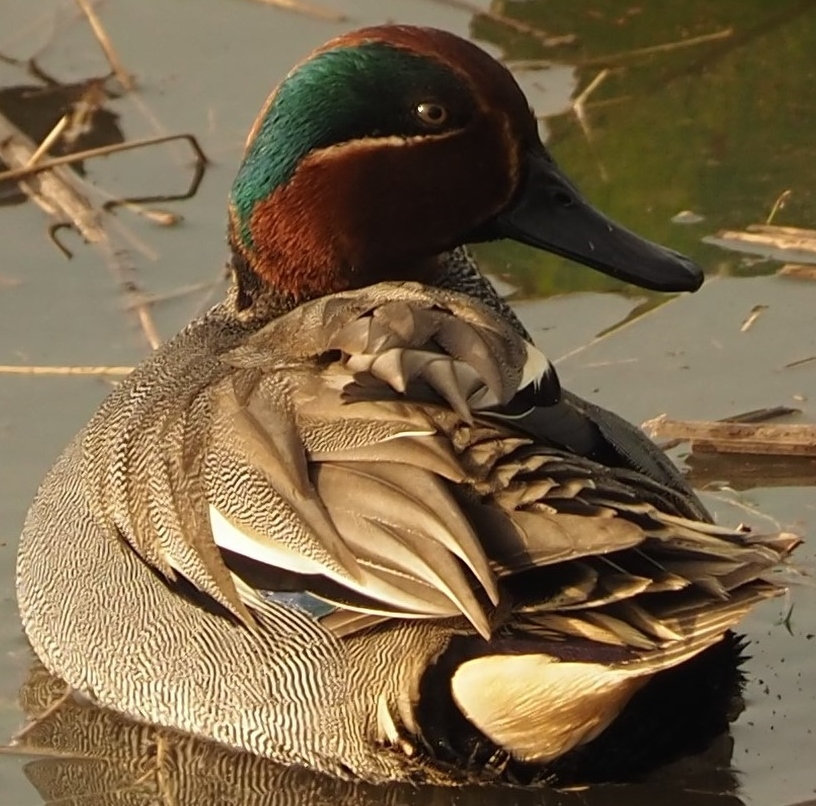
The standout for me in the Winter is the numbers of Teal that have chosen to over winter here. There have always been Teal in the Upper Tamar Estuary. They are our smallest duck. They breed in the summer in Northern Europe and then start arriving in late August, numbers growing through the winter peaking in January. Last January we counted over 500. I love the cheerful whistle the males make trying to impress the females, it is now the sound of our winter landscape. The male plumage is at it’s most striking at this time of year, it reminds me of a certain New Romance pop star of the 80’s. They are generally very shy but become more confident as the season goes on. I like to see if I can walk past them without setting them off as they forage close to the footpath. The secret is to walk quietly and steadily without stopping and not stare at them!

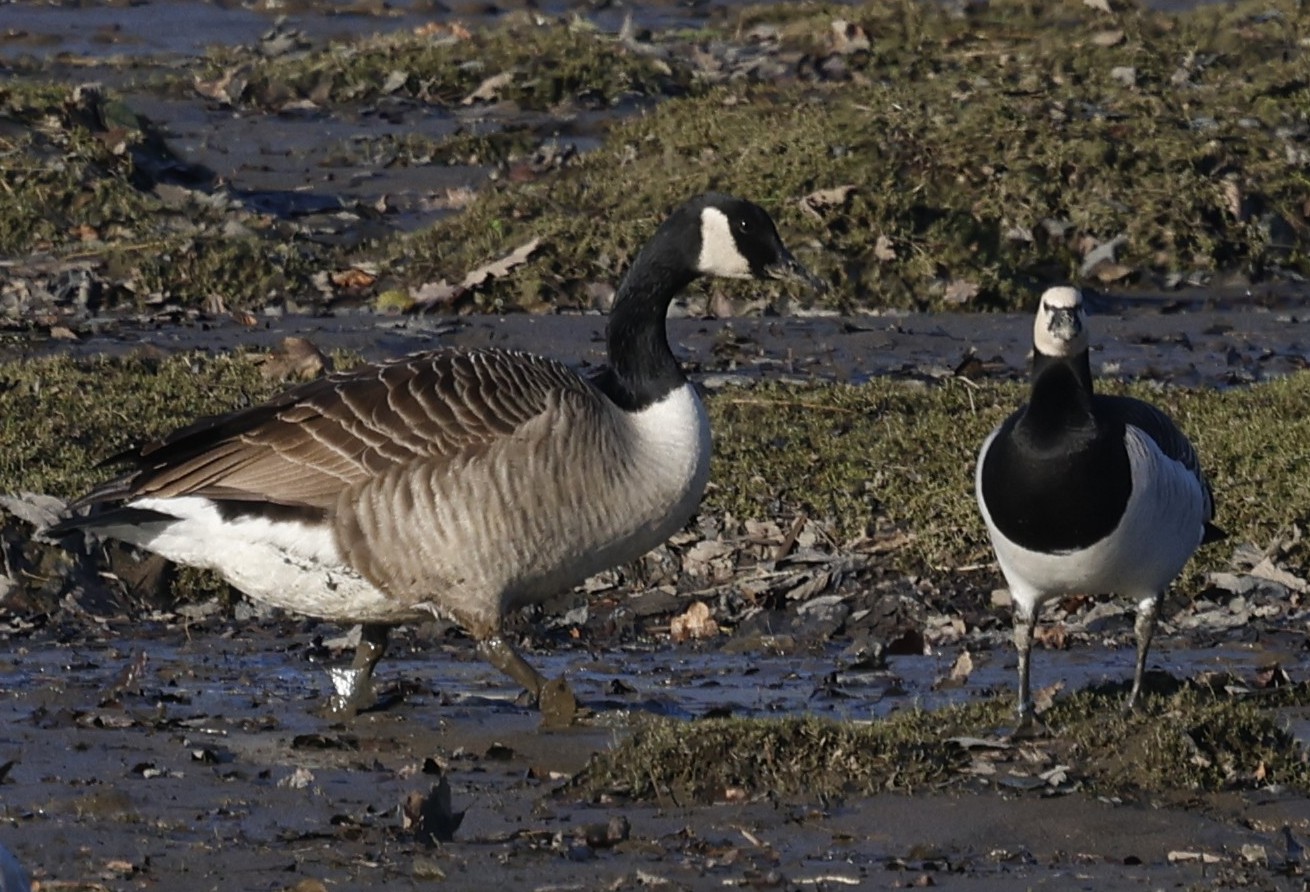
A population of Canada Geese have settled in the Upper Tamar and commute up and down the river between their feeding ground and their roost. They appear to fly up and down the river at any time of day or night, sometimes in quite large squadrons, an impressive sight as they glide into the wetlands in their V formations.

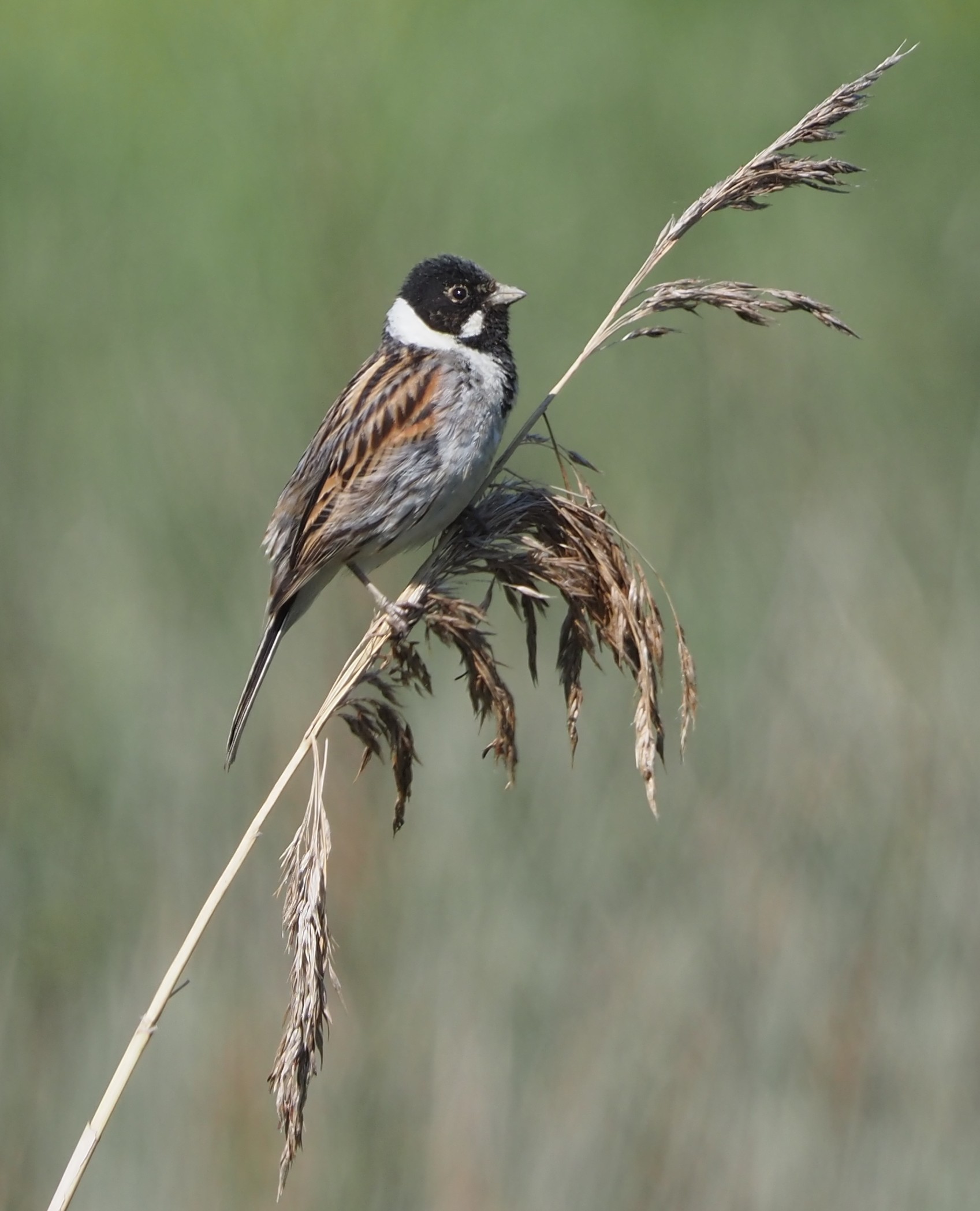
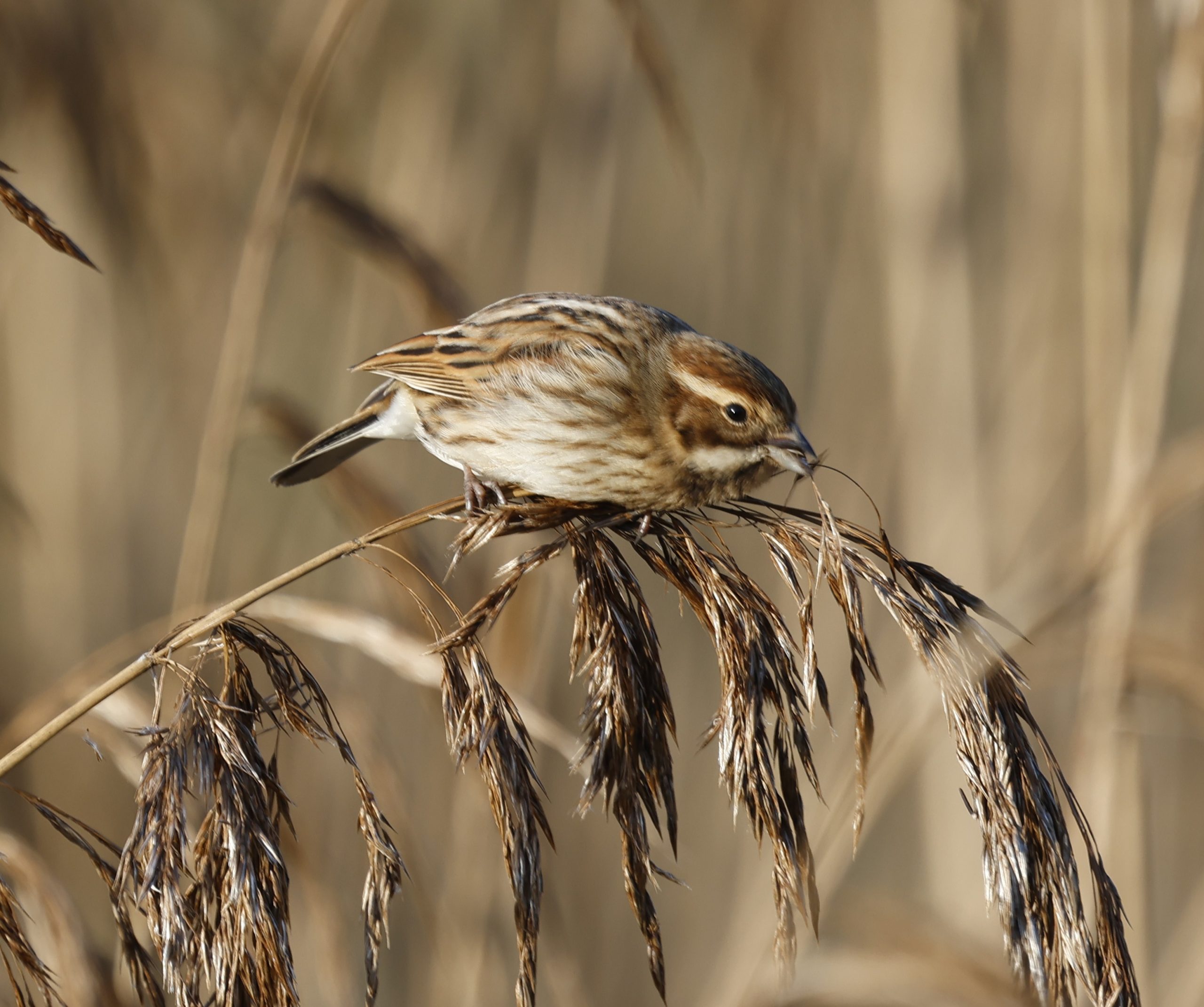
Of the smaller birds that over winter here, we have a few Reed Bunting, the occasional Cetti’s Warbler and several Water Rail. The male Reed Bunting is a striking little bird with his black head and white collar. He can be seen perching on the tops of reeds swinging in the wind.
The Cetti’s Warbler will more likely be heard and not seen. It has a distinctive loud warble quite surprising for a small bird. I have rarely seen one and never been able to photograph one, despite hearing it deep in the reeds just feet away. I have been frequently hearing one in Town Farm Field next door to the wetlands lately.

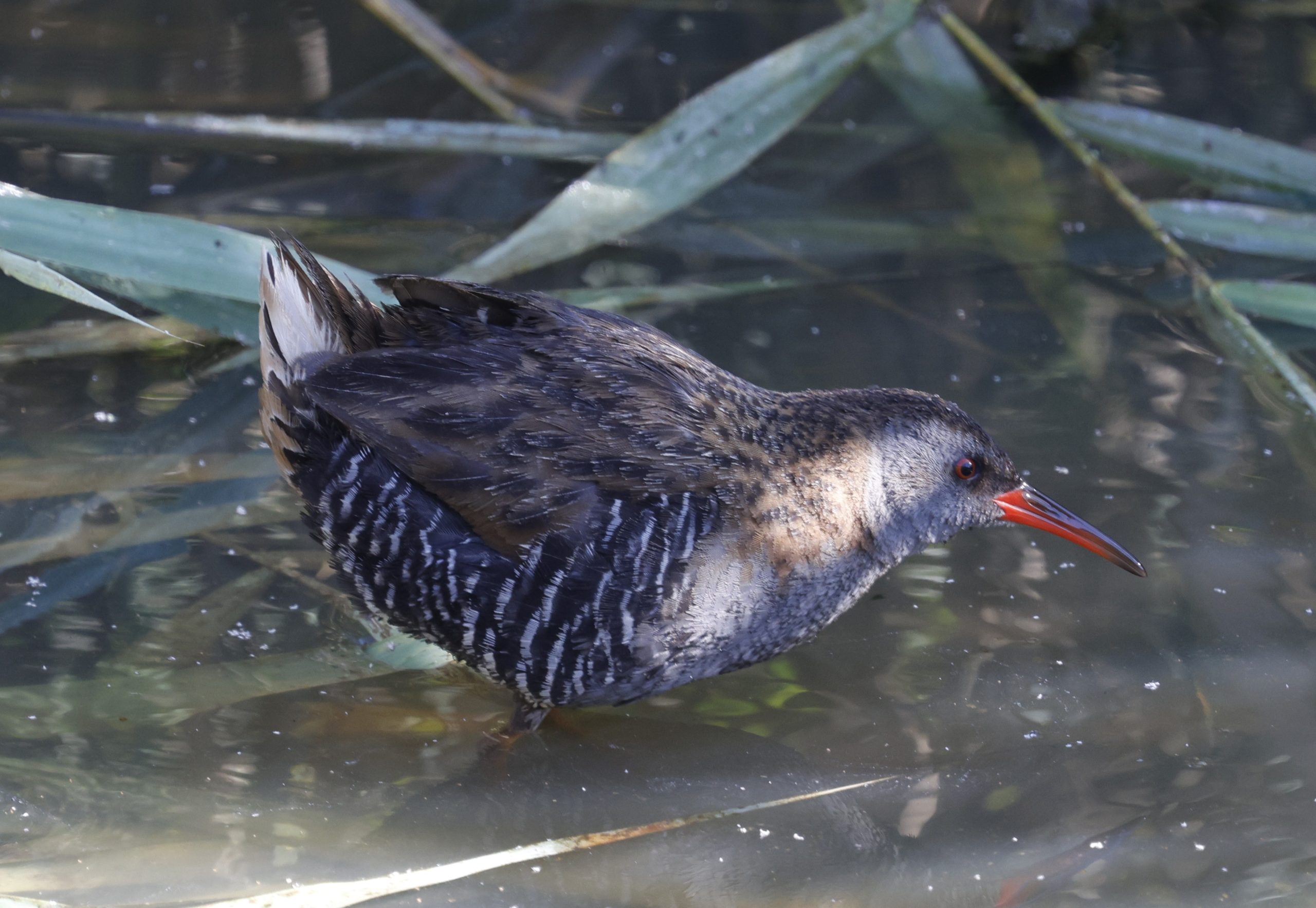
Equally shy is the Water Rail, you are more likely to hear its pig like squeal or loud chirping than see one. They have always been in the estuary, and breed in the extensive reed beds up-river. A few have chosen to hang out in the reed beds along the river walk, and you may see one if you are lucky if you walk quietly. It is smaller than the Moorhens that also live here, and does not have the white tail flashes, it is a reddish brown in colour with a longer curved beak.
You never know what might blow in on these cold North or Easterly winds we have been getting lately. If you see anything unusual, do report it on the BTO bird track App or the Calstock Wetlands Facebook page.
Calstock Wetlands Birdwatchers Group
Photographs and account supplied by Pete Thompson, Trustee, Tamar Community Trust.

20/01/2026
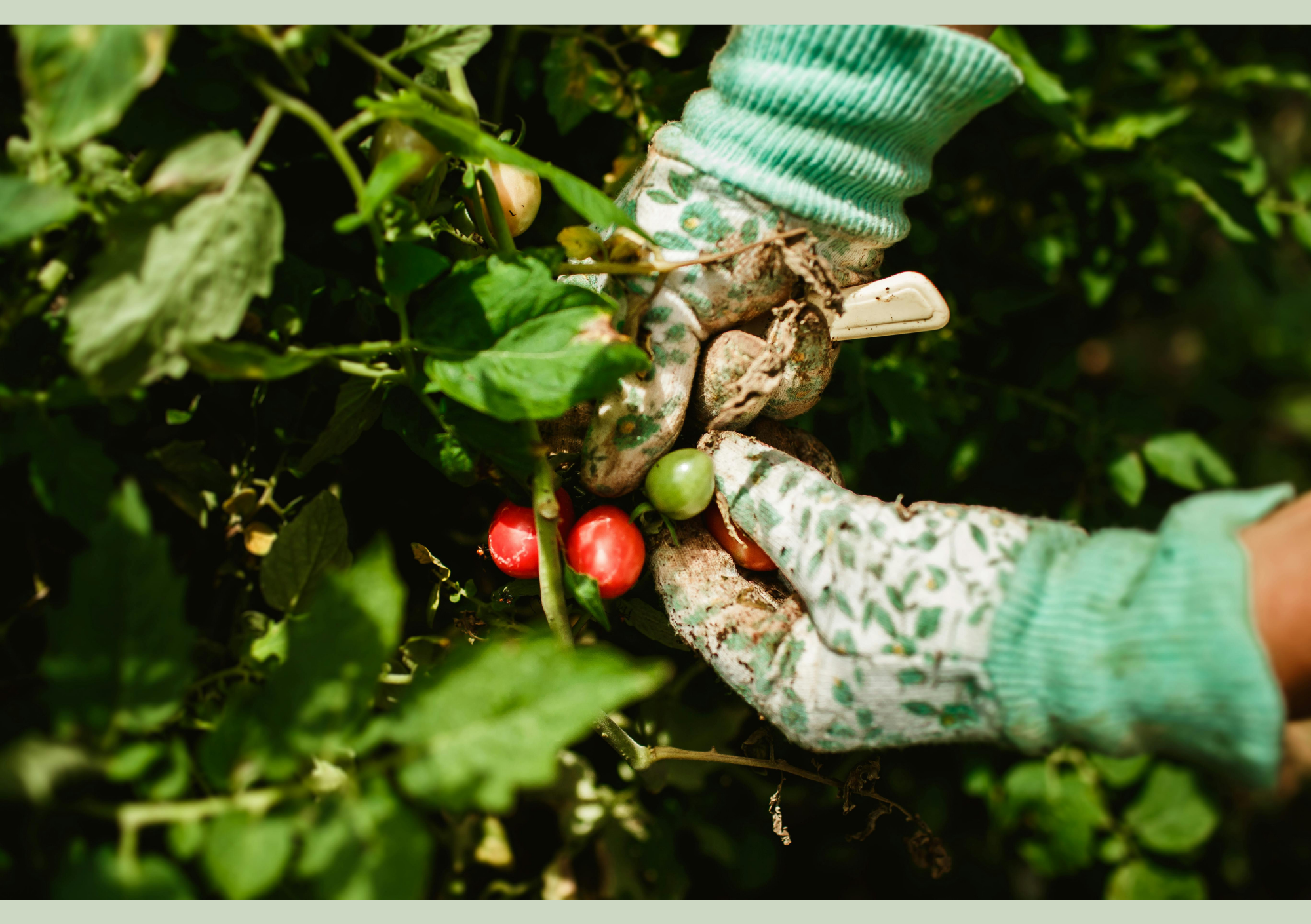
Local Food and Local Impact
19/01/2026
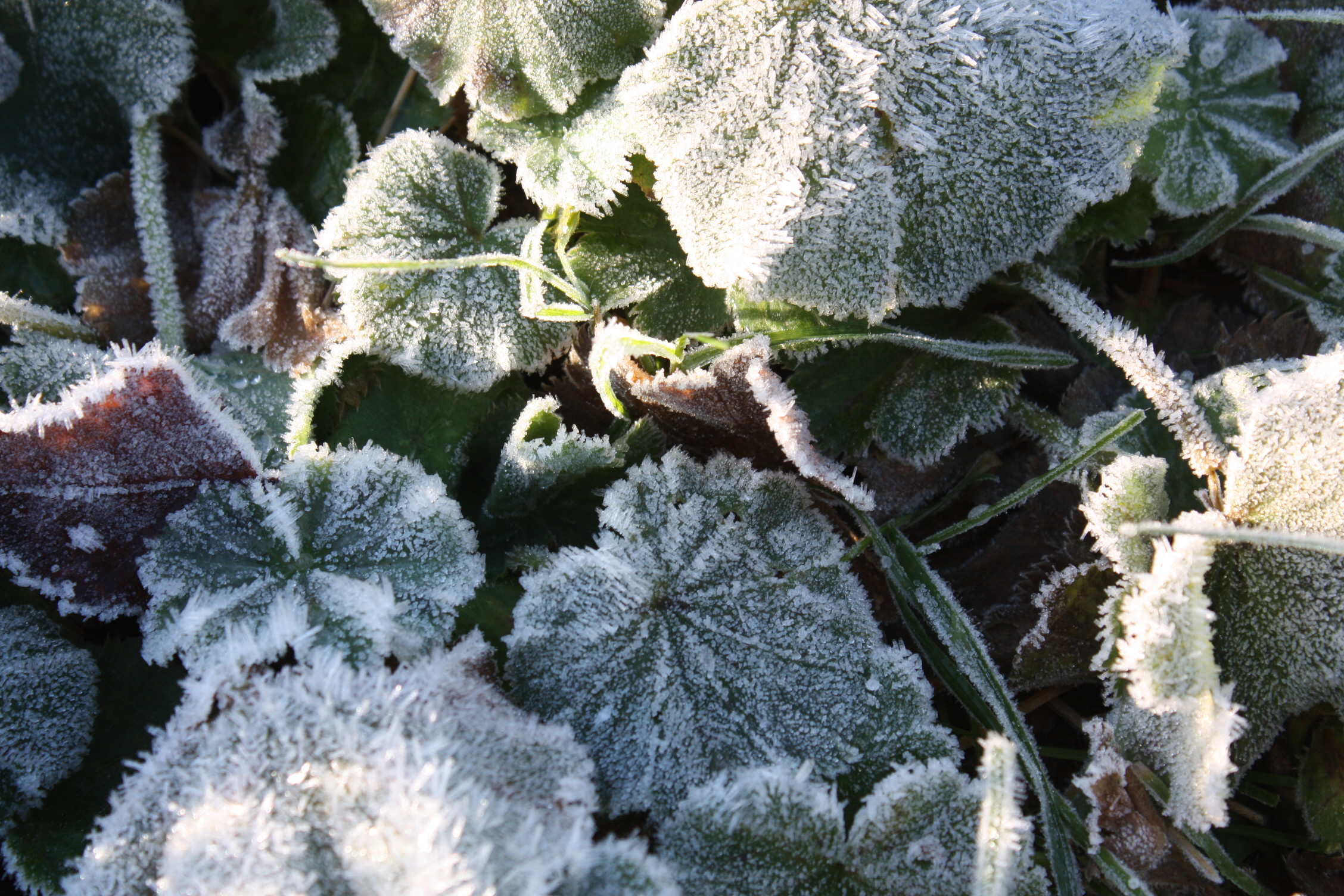
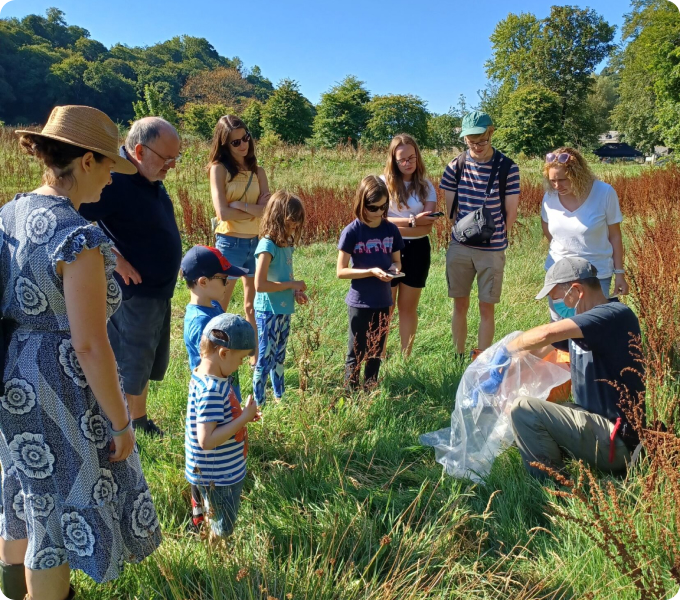
Exploring for Winter Wildlife
19/01/2026
Winter Time On The Wetlands: An Account By Pete Thompson, Tamar Community Trust, Trustee

19/01/2026
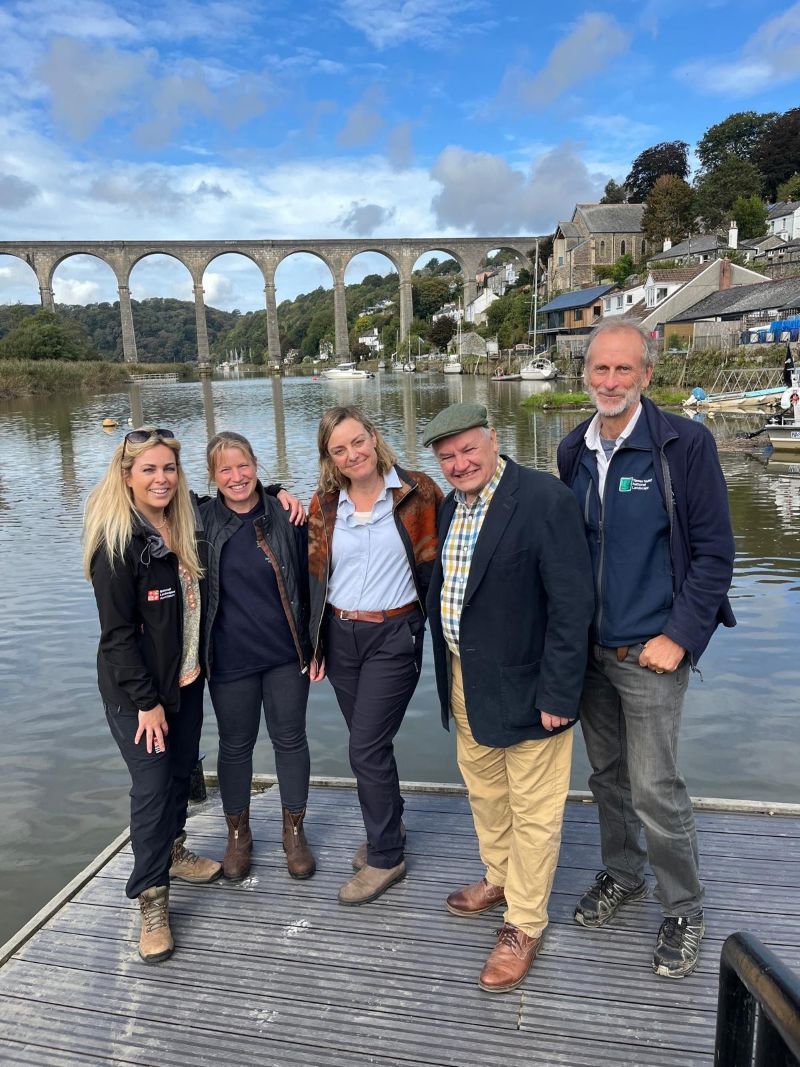
Tamar Valley National Landscape’s New Chair and Vice Chair
21/10/2025
Landmark Visit to the Tamar Valley Highlights Importance of Working Together for Nature
03/06/2025
Celebrating Tamar Valley migratory fish with latest Nature Connects podcast
30/04/2025
The Beauty of Blossom and Benefits of Hedges – latest Nature Connects podcast released
25/04/2025
New Art project welcomes Refugees to connect with Nature in the Tamar Valley
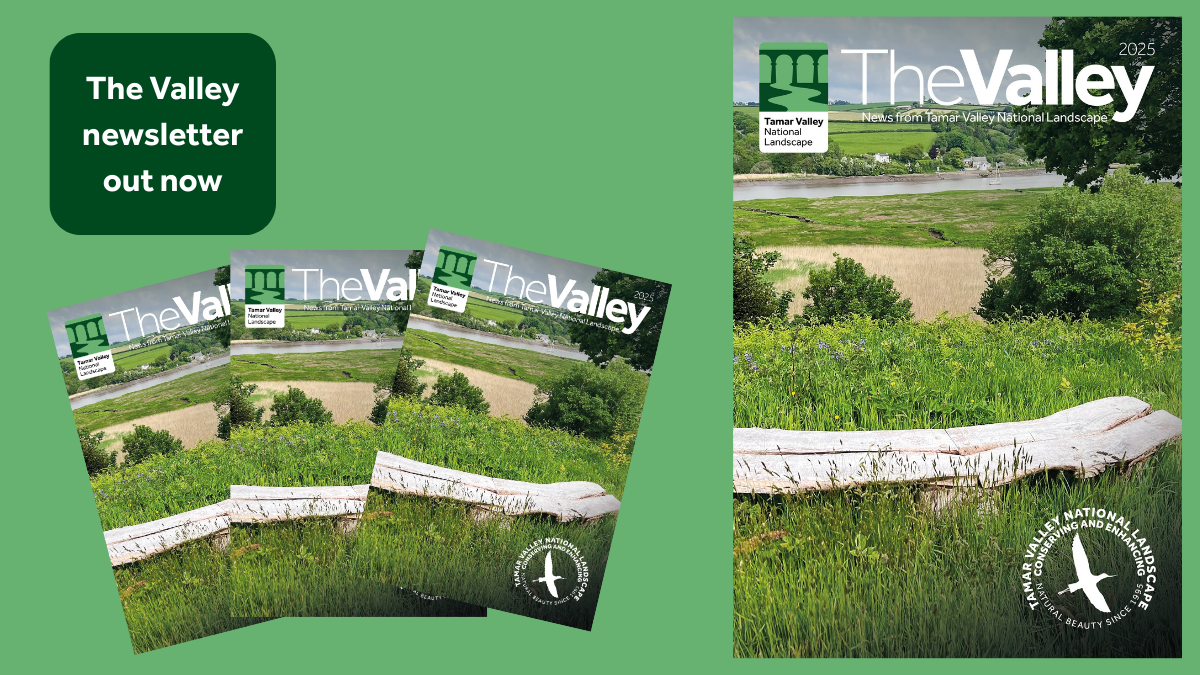
25/04/2025
The Valley newsletter out now
04/04/2025
Free weekly walks in the Tamar Valley this Spring
27/03/2025
Welcoming visitors sustainably – latest Nature Connects podcast released by Tamar Valley National Landscape

ebulletins
Sign up here for FREE periodic updates from the Tamar Valley National Landscape, packed with the latest news, events, volunteering opportunities, and project updates. Simply add your name and email address below and your seasonal ebulletin will be emailed to you.
The Tamar Valley National Landscape team (hosted by Cornwall Cornwall) is committed to gathering and processing personal data with full regard for the General Data Protection Regulation (GDPR). Please view our Privacy Statement for further information here. A copy of MailChimp’s Privacy Policy can also be viewed here.