
20/01/2026
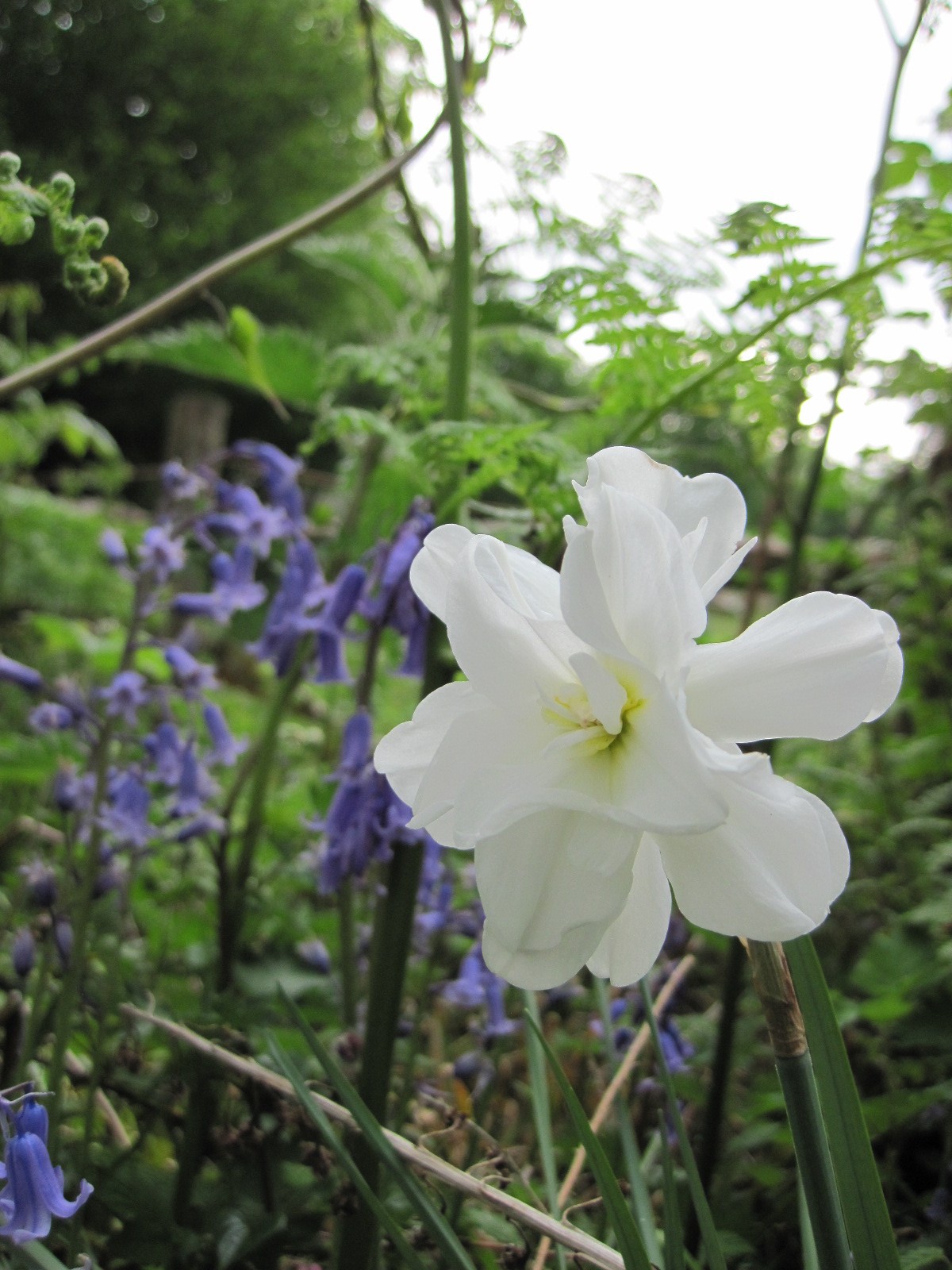
The Tamar Valley and Market Gardening
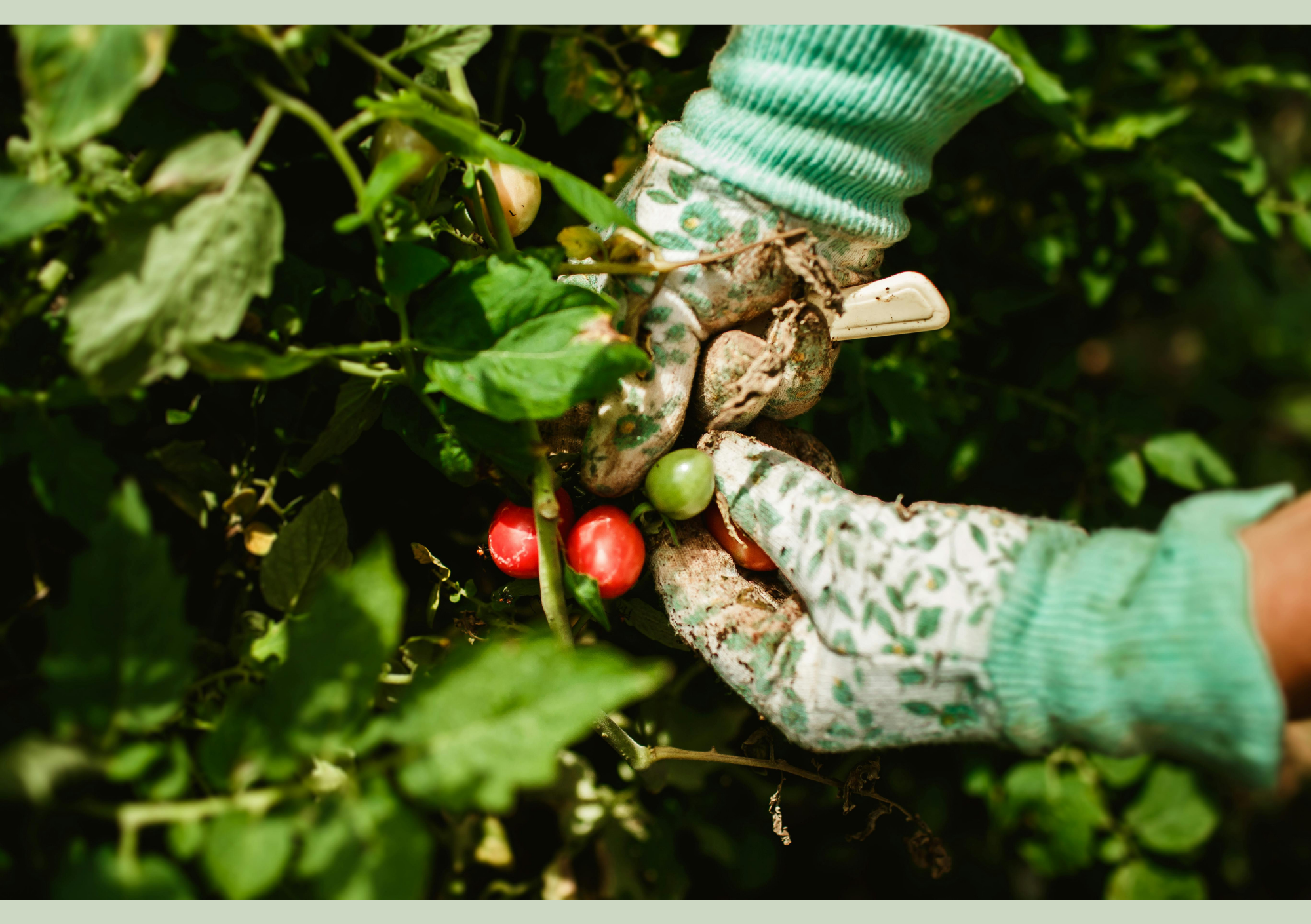
Due to the sheltered slopes and early‑ripening microclimate, the Tamar Valley grew into a nationally important centre for market gardening, once dispatching soft fruits, flowers and early vegetables to Plymouth, London and wider UK markets thanks to its favourable climate and expanding railway links. Though on a smaller scale today, this long horticultural tradition continues through local growers who still cultivate the Valley’s fertile land.
By choosing seasonal, locally grown food, consumers help reduce the environmental impact linked to long‑distance transport. Shorter supply chains mean fewer food miles by cutting carbon emissions associated with refrigeration, haulage and packaging, while supporting the resilience of a community that has a tradition of sustainable, place‑based food production that has spanned for generations.


When food is grown, harvested, and sold closer to home, it typically travels far fewer miles before reaching your plate. This cuts down on transport‑related emissions and reduces the energy needed for storage, refrigeration, and long‑distance distribution. Local producers also tend to use smaller‑scale, nature‑friendly farming methods that help protect soil health, support pollinators, and maintain the rich mosaic of habitats that make the region so biodiverse.
These benefits link directly to the 30×30 goals, which aim to protect 30% of land and sea for nature by 2030. Choosing local food helps keep farmland in active, sustainable use, supports growers who manage their land with wildlife in mind, and strengthens rural economies that depend on healthy landscapes. Every local purchase becomes a small but meaningful action that helps safeguard habitats, reduce environmental impact, and contribute to a more resilient local economy.

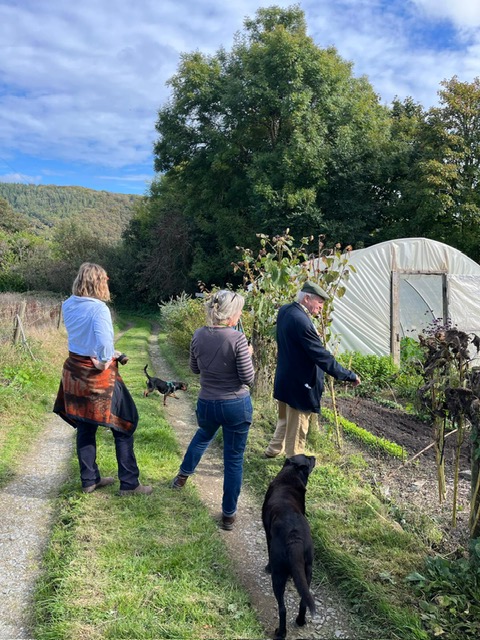
Seasonal Winter Vegetables: Fresh, Local, Low‑Impact
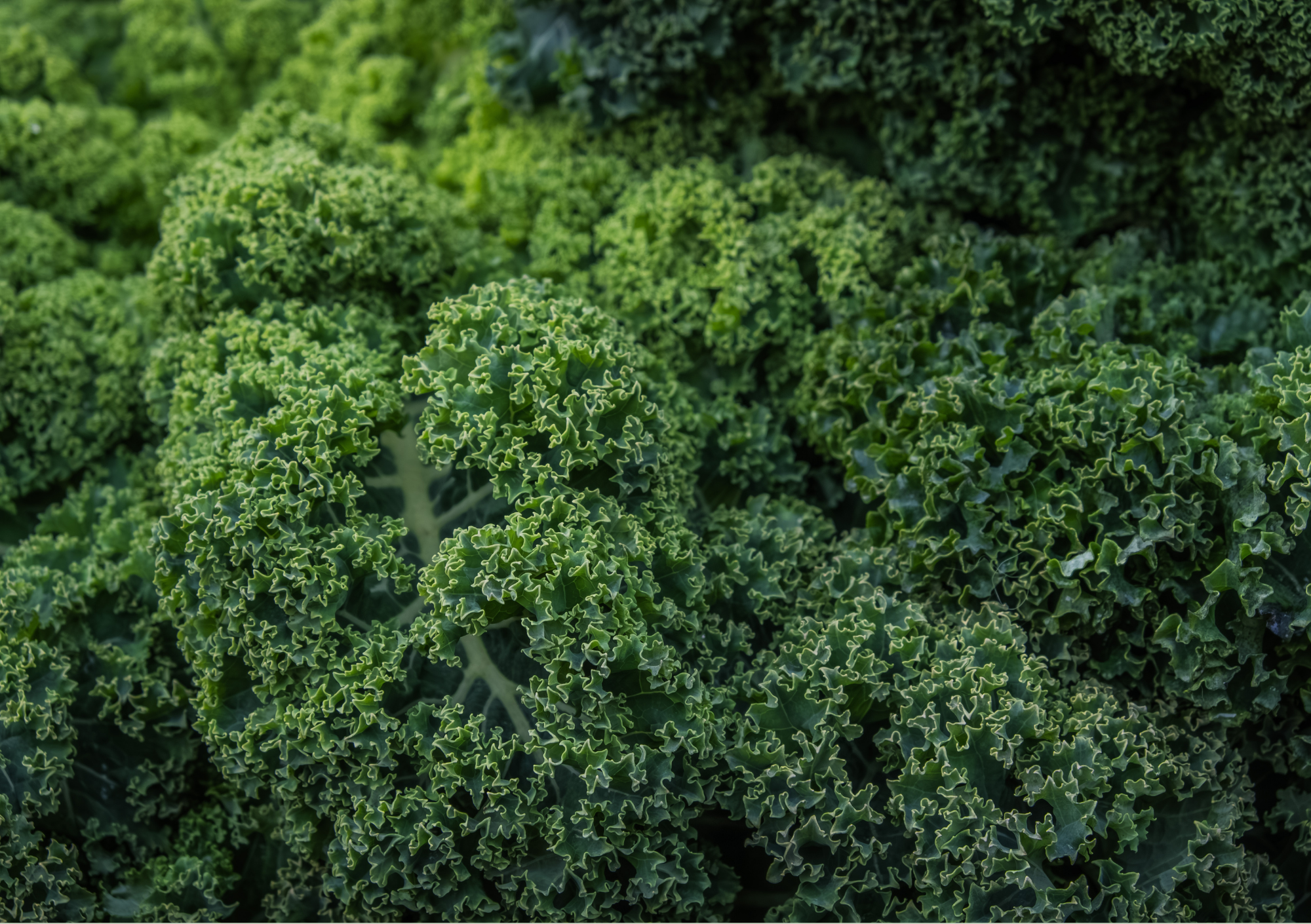
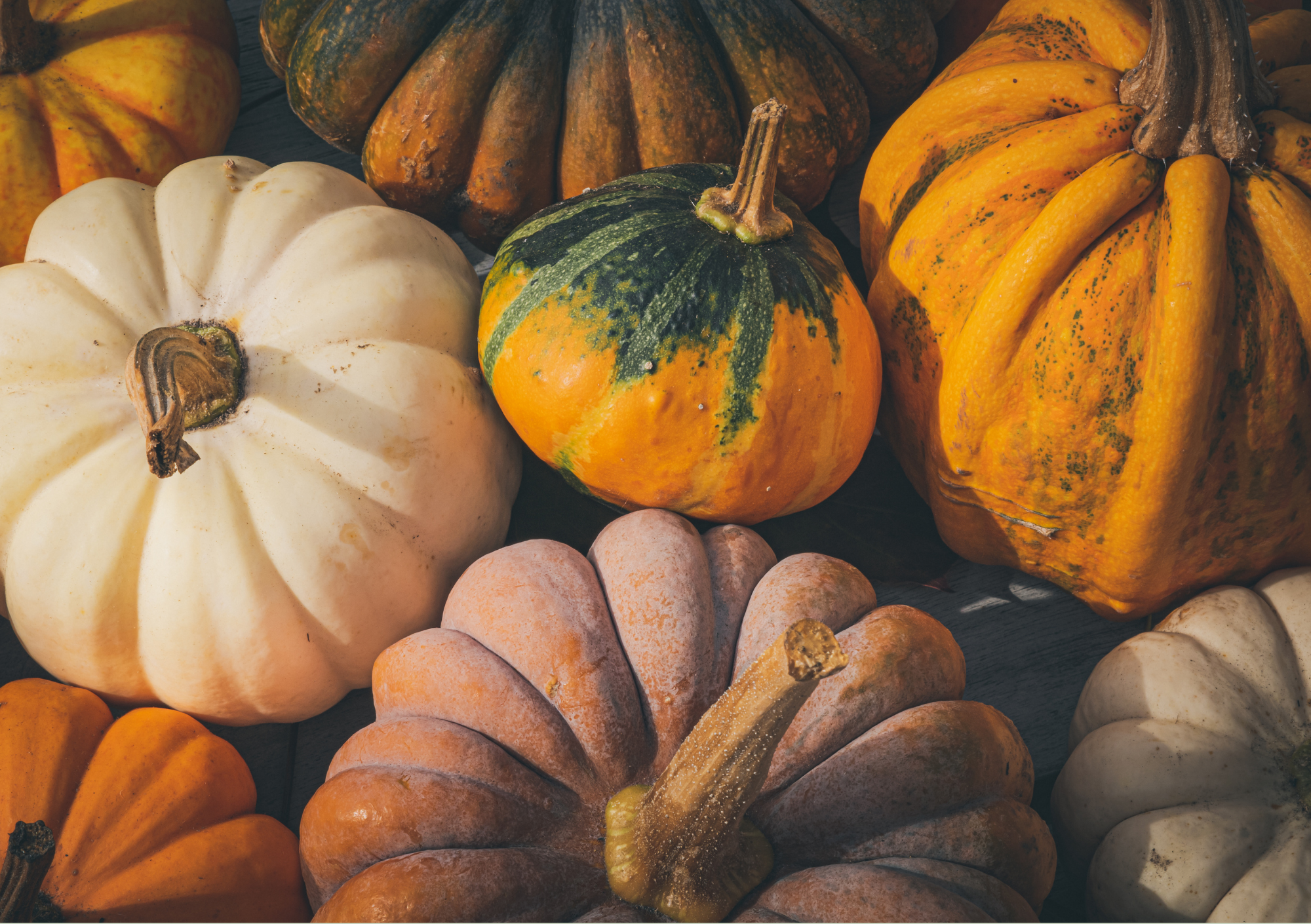
Winter is a brilliant time to explore the variety of seasonal vegetables grown right here in the South West. Produce such as kale, leeks, cabbage, carrots, swedes, parsnips, beetroot, potatoes, and winter squash thrive in the colder months and store well without energy‑intensive refrigeration. Choosing these vegetables not only supports local growers but also reduces the environmental impact associated with out‑of‑season imports.
Cooking with winter veg can be simple and satisfying; soups, roasts, stews, and traybakes all make the most of their natural flavours. Seasonal eating is one of the easiest ways to enjoy fresh food while lowering your carbon footprint.


Leek & Carrot Risotto with Crispy Kale
Tamar Grow Local has shared a recipe from their Grow Share Cook recipe book, perfect for trying with local, seasonal veg.
Their Grow Share Cook project supports Plymouth households experiencing food insecurity or on lower incomes by improving access to fresh produce and building confidence in healthy cooking.
In partnership with Plymouth Community Homes, Plymouth City Council and Livewell Southwest, the project provides fortnightly bags of five seasonal vegetables sourced from growers in the Tamar Valley and Plymouth. Each bag includes a recipe sheet to inspire new meal ideas.
Tamar Grow Local also welcomes volunteers to help grow food and deliver veg bags. To get involved, email: info@tamargrowlocal.org
You can buy your own seasonal veg bag, choose individual vegetables, or donate a cookbook through Tamar Valley Food Hubs.
Tamar Valley Food Hubs

Leek & Carrot Risotto with Crispy Kale (Grow, Share, Cook - Tamar Grow Local)
Published 20/01/2026
PDF downloadHow Everyone Can Make a Difference
You don’t need to overhaul your lifestyle to have a positive impact. Small, everyday choices add up:
- Buy local when you can: farm shops, veg boxes, markets, and community growers all help reduce food miles.
- Choose seasonal produce in supermarkets: it’s fresher, often cheaper, and far less carbon‑intensive.
- Reduce food waste by planning meals and using leftovers creatively.
- Support nature‑friendly farms that protect hedgerows, soils, and wildlife habitats.
- Grow a little of your own food, even herbs on a windowsill, to reconnect with the seasons.
Each action, no matter how small, contributes to a healthier ecosystem and helps us move closer to 30×30 promises. By choosing local, seasonal food this winter, you’re supporting both the land and the communities that care for it.

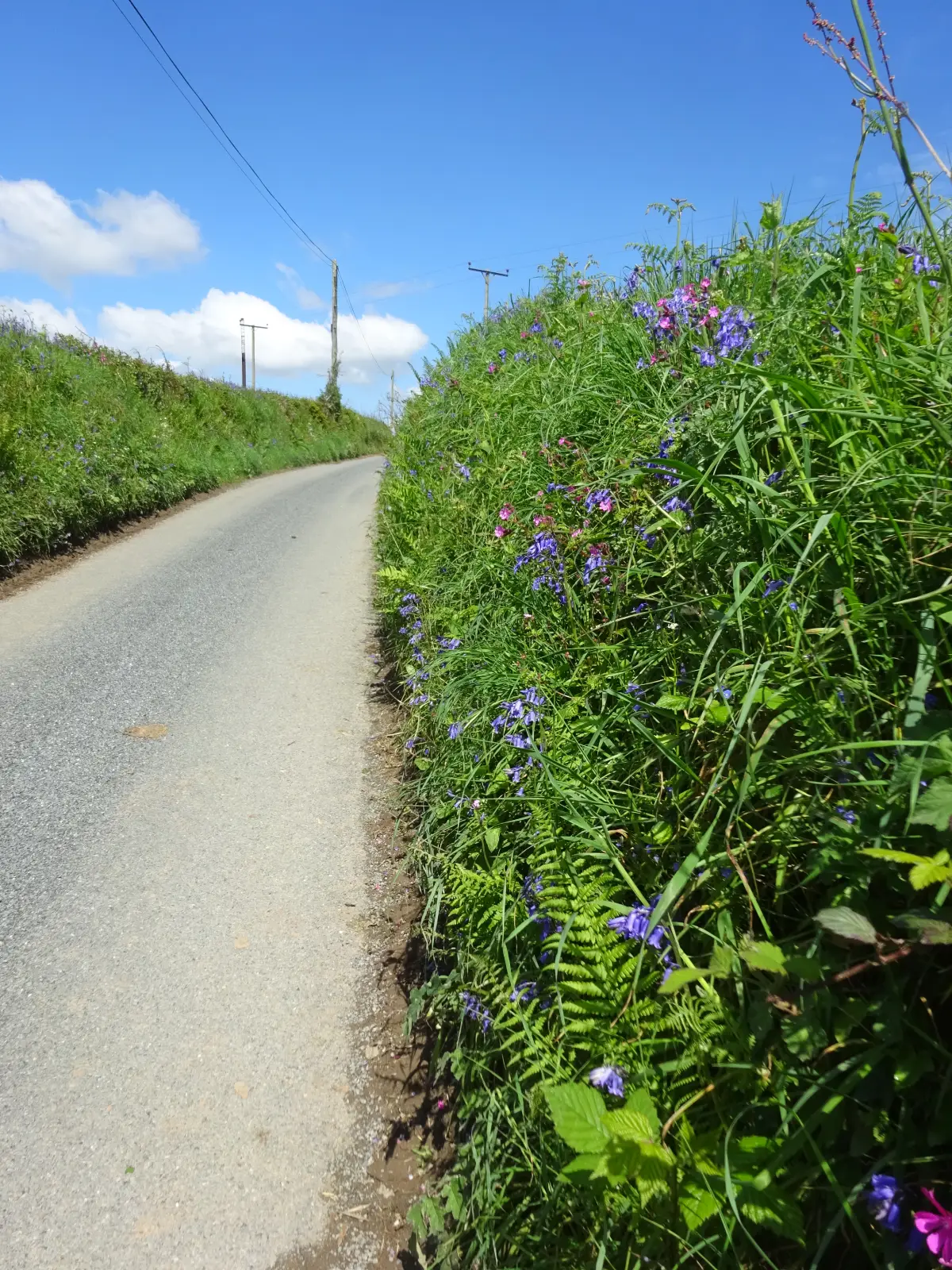
Perfect seasonal vegetables to look for (January 2026):
- Winter Squash
- Spinach
- Winter Salad
- Leeks
- Potatoes
- Parsnips
- Beetroot
- Swede
- Celeriac
- Onions
- Stir-fry Greens
- Parsley
- Rosemary

20/01/2026
Local Food and Local Impact
19/01/2026
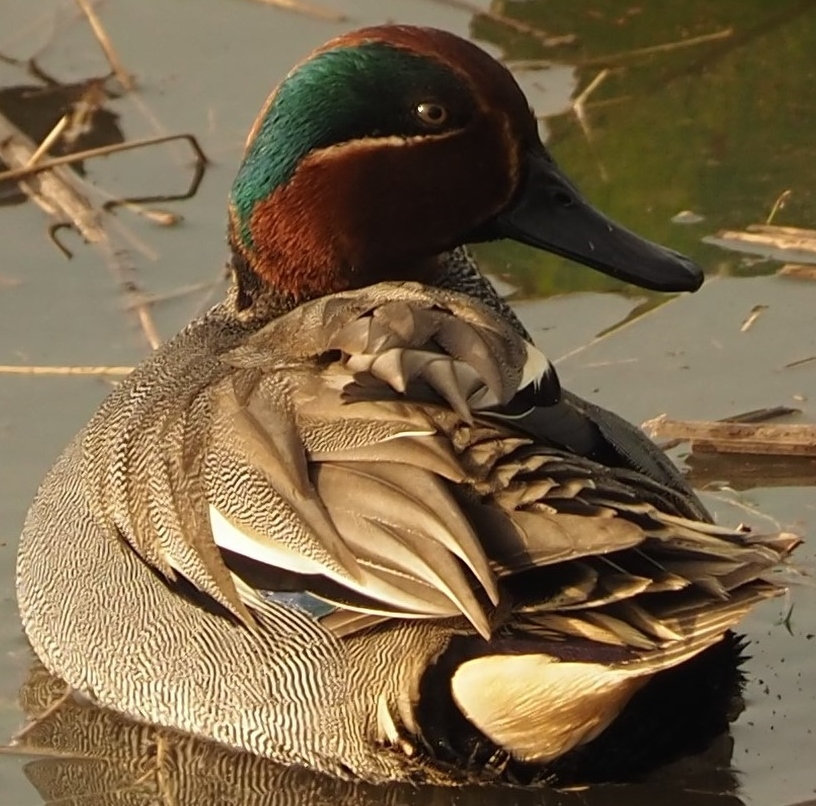
Exploring for Winter Wildlife
19/01/2026
Winter Time On The Wetlands: An Account By Pete Thompson, Tamar Community Trust, Trustee

19/01/2026
Tamar Valley National Landscape’s New Chair and Vice Chair

21/10/2025
Landmark Visit to the Tamar Valley Highlights Importance of Working Together for Nature
03/06/2025
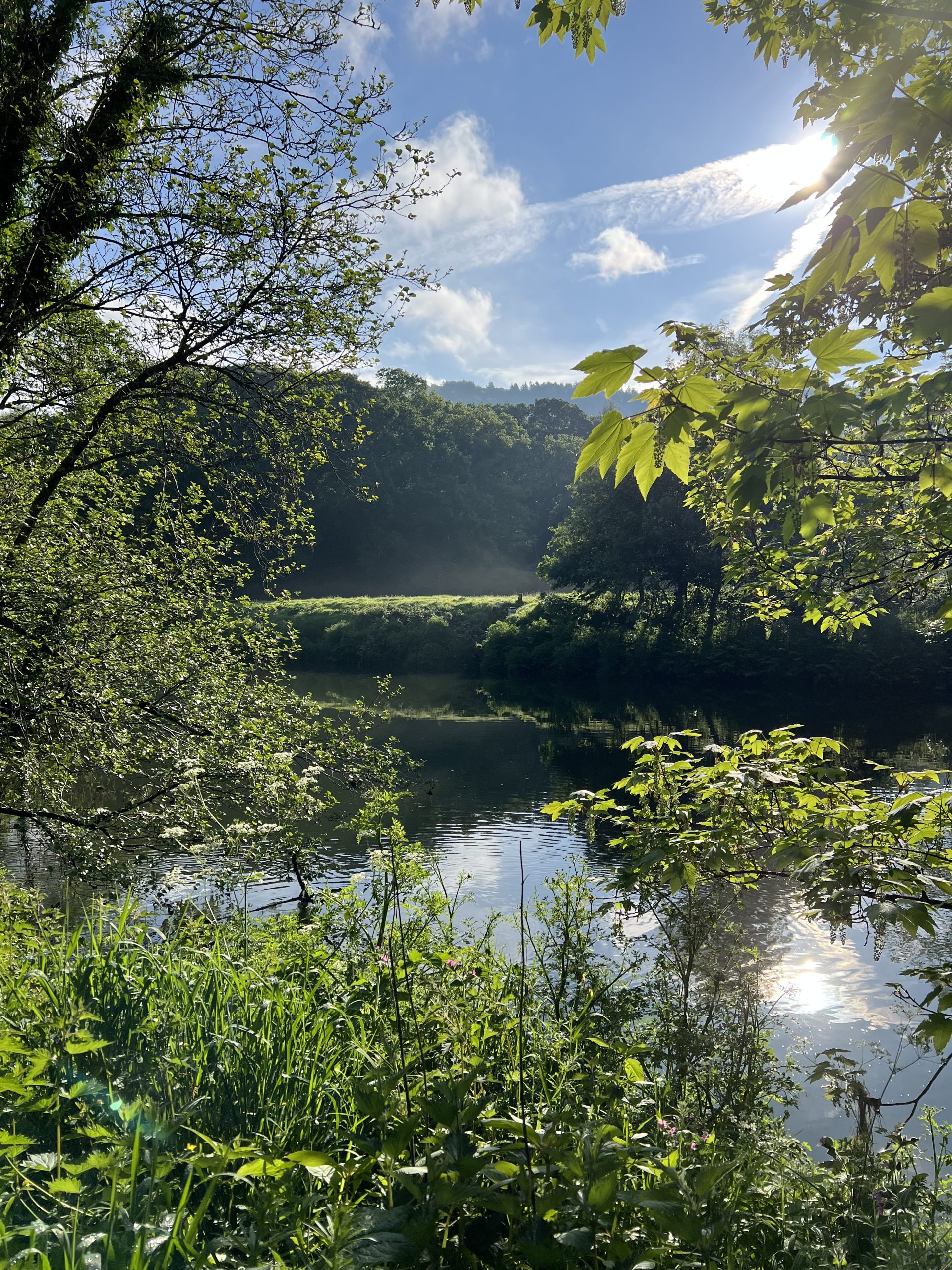
Celebrating Tamar Valley migratory fish with latest Nature Connects podcast
30/04/2025
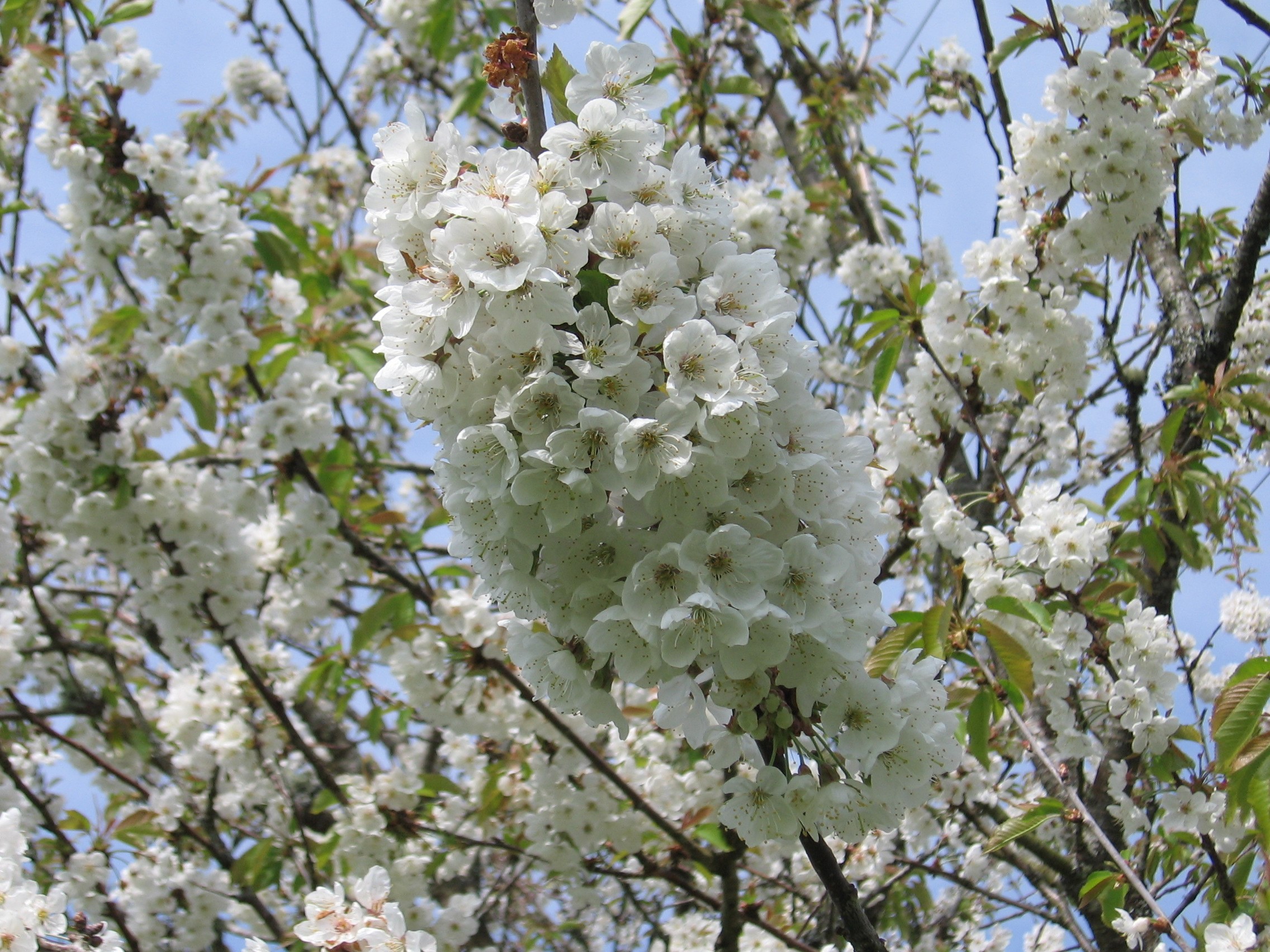
The Beauty of Blossom and Benefits of Hedges – latest Nature Connects podcast released
25/04/2025
New Art project welcomes Refugees to connect with Nature in the Tamar Valley
25/04/2025
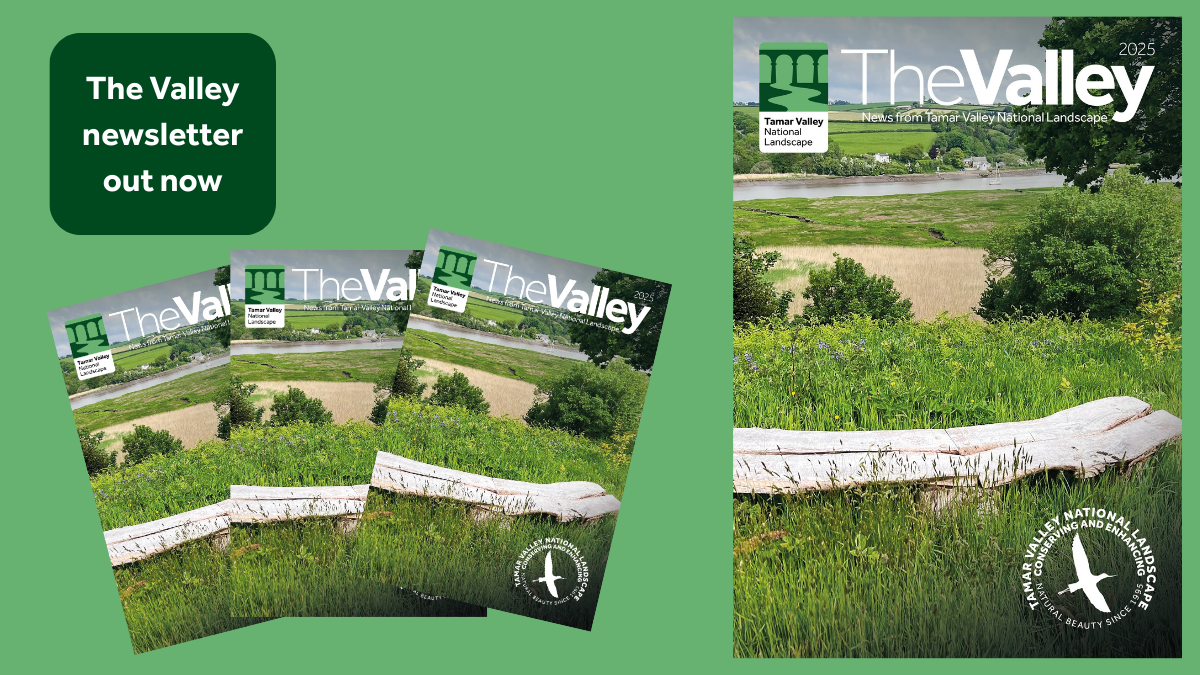
The Valley newsletter out now
04/04/2025
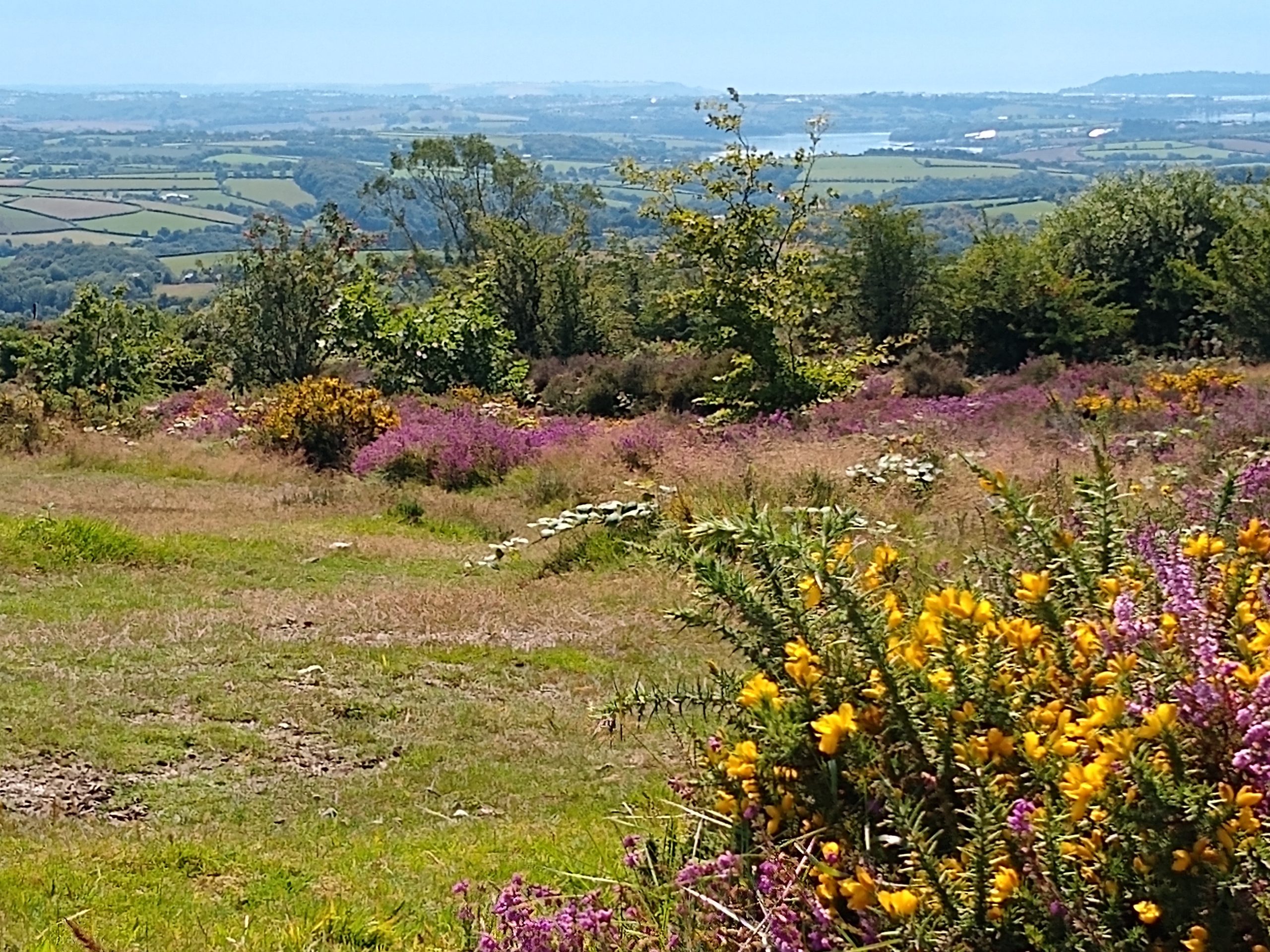
Free weekly walks in the Tamar Valley this Spring
27/03/2025
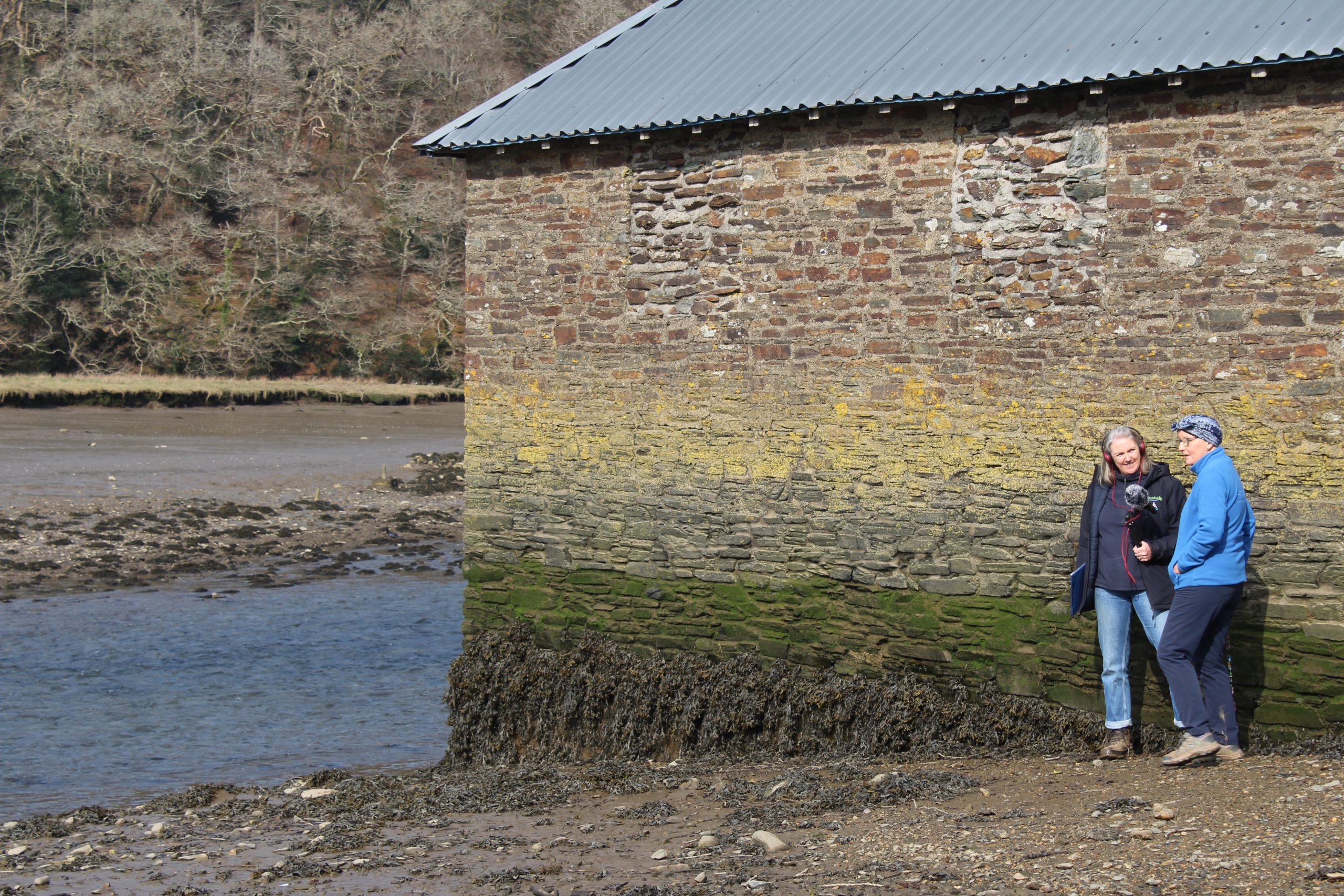
Welcoming visitors sustainably – latest Nature Connects podcast released by Tamar Valley National Landscape
ebulletins
Sign up here for FREE periodic updates from the Tamar Valley National Landscape, packed with the latest news, events, volunteering opportunities, and project updates. Simply add your name and email address below and your seasonal ebulletin will be emailed to you.
The Tamar Valley National Landscape team (hosted by Cornwall Cornwall) is committed to gathering and processing personal data with full regard for the General Data Protection Regulation (GDPR). Please view our Privacy Statement for further information here. A copy of MailChimp’s Privacy Policy can also be viewed here.